- 15, Oct 2025 |
- classicvacationsnepal.com

Bhutan is a unique destination for travellers from Singapore that comprises natural beauty, a cultural experience and a sense of spirituality that can be rare at many destinations. Bhutan will encourage sustainable tourism while maintaining its traditions and natural environment, unlike most tourism destinations.
While Singaporeans temporarily escape city life, those searching for thrills will find adventure in Bhutan's monasteries, stunning Himalayan landscapes, and friendly locals. In short, Bhutan is about a singular idea, and that idea is Gross National Happiness. Expect not only to scrape the surface of sights, but to qualitatively see, consciously experience, and truly appreciate nature and culture. The idea of sustainable tourism in Bhutan creates a thoughtful, immersive, and deep experience that demands thought and reflection.
This guide is intended to guide you through all aspects of arranging your trip to Bhutan from Singapore in 2026. It provides a comprehensive explanation of the entry requirements, including the procedure for getting your visas, and options for flights and tours as well.
It is useful to learn about Bhutan's travel requirements, since travellers will always have to get a visa, and this will typically be done through a registered tour operator. You will learn about the possibilities to fly from Singapore to Paro International Airport in Bhutan, including common airline routes and other opportunities.
In addition, the guide discusses the various types of travel packages available, ranging from economical group tours to luxurious bespoke tours, to allow you to choose what suits your interests and your budget. Also, the estimates and included information on other costs and aspects of your travel to Bhutan (including accommodation, food and essentials, and transportation during your time in Bhutan) give you a definitive financial picture for planning your travel budget.
Whether you are travelling to Bhutan for your first time, or if you are returning to see more, this thorough and informative guide gives you everything you’ll need to prepare for a smooth, enjoyable and positive travel excursion.
Typically, the air route is the most straightforward and swift one. Honestly, it carries a higher price than the rest. Yet, because Bhutan is a mountain land, there could be additional stops for refuelling even in the “direct” flights.
Main Option: Singapore towards Paro via Drukair
Airline: Drukair (Bhutan’s national airline) is the one to provide the service from Singapore (Changi Airport, SIN) to Paro International Airport (PBH) for the travellers.
Frequency: Twice weekly. More particularly, flights from SIN to PBH are on Thursdays and Sundays. On the contrary, flights (PBH to SIN) are on Wednesdays and Saturdays.
Duration / Stopover: Sometimes, the flights are erroneously referred to as “direct” when in fact a brief stop for refuelling or technical assistance is made in Guwahati (India). No passengers have to leave the aircraft. The total time of travel is about 5-6 hours (Singapore to Paro); thus, stopover time is not included.
Cost: A round-trip ticket in an economy class from Singapore is going to cost between US$1,000 and US$1,500 (or S$1,400-S$1,600), depending on the season, time of booking, and the availability of tickets. It seems that business class will cost considerably more.
Flight Numbers / Schedule:
Flight No. KB 541 leaves Singapore approximately at 12:30 PM, and arrives at Paro close to 4:45 PM (local times) on Thursdays and Sundays.
The return flight (KB 540) is on Wednesdays and Saturdays.
Aircraft: Most of the time, it is either an Airbus A319 (or something similar) on this route.
What to check Before the Flight?
Please review your date/travel schedule prior to booking. They don’t have flights every day.
ensure you have the eVisa clearance prior to check-in, as the airlines will check that.
Baggage allowance for economy class is roughly 30kg- check directly with them on their current policy. The operator and Bhutan require travel insurance.
Alternative Air / Transit Routes
Your direct Drukair flight schedules are not in line with your plans, or on days when flying is not an option, or if prices are excessively high, you may combine flights through transit hubs.
Some possible hubs:
Bangkok (Thailand): You can fly to Singapore via Bangkok, then connect from Bangkok to Paro via Drukair.
Delhi or any other India cities: The shortest way from Singapore to Delhi, then to Bhutan if there are any flights by Drukair or Bhutan Airlines. But the availability of flights through India is a more complicated matter.
Kathmandu (Nepal): In the same way, to Bhutan via Nepal is also an option, but it is much longer and might be more troublesome. These interim routes can extend your total travel time, and you may experience a delay and have to pay more because you must purchase two or more tickets. However, the routes give you more freedom.
This route is suitable if you desire to lower your expenses to see more places while you are on the way, or in case air schedules are not going to be correct. Nevertheless, it should be mentioned that in order to travel overland from Singapore, you will have to go through India (or possibly Nepal), thus you will require additional visas, etc. This option is rather complicated. You will be able to have an idea about the possible thoroughfare of overland and mixed routes.
Option A: Singapore to India by plane, then travelling by road inside India towards Bhutan
Since Bhutan shares a land border with India, many travellers use India as an intermediate.
Step-by-Step
Fly from Singapore to a large metropolitan area in India.
Take a flight from Singapore to an Indian city most suitable for your further journey to Bhutan. Some of the options can be: Delhi, Kolkata, Guwahati, Bagdogra, etc.
After reaching India, head to Bhutan by car through one of the Indian border crossing points.
Go across the border into Bhutan at a recognized crossing point such as Jaigaon/Phuentsholing (West Bengal), or other crossings if non-Indian tourists are allowed there.
After entering Bhutan with the necessary permits, you can either stay or continue your travel to any major Bhutan destinations (like Paro, Thimphu, and so on).
Key Border / Road Entry Points
Jaigaon (India) and Phuentsholing (Bhutan): The most common border crossings. After landing at Bagdogra (India) or at Siliguri, you can drive to Jaigaon, and after that, cross to Phuentsholing, then continue your trip to Bhutan by road.
Gelephu, Samdrup Jongkhar, the southern and eastern border points with India (Assam, etc.) are less and less used by foreigners. It is quite a common situation that only Indian nationals are allowed through these border points, while in other cases, special conditions apply.
Travel Times & Expenses
Bagdogra to Phuentsholing: about 4-5 hours by road, the distance is roughly between 160 and 170 km depending on traffic and your chosen route. A car or shared vehicle can be hired.
Siliguri / New Jalpaiguri (NJP) to Phuentsholing: The distance/time is approximately the same; it might be a little bit more or less depending on the route.
Phuentsholing to Thimphu (capital) or Paro: are several mountain hours away; Not to mention several hours more might be expected (Thimphu can be reached from Phuentsholing by road in around 6-7 hours, depending on the condition of the road).
Option B: Singapore to India and then a flight from India to Paro
Essentially, this is a variant of Option A, designed for travellers who would prefer to avoid long hours on the road but would still want to take advantage of possibly more frequent flights from Indian cities to Paro.
For example, Singapore to Delhi / Kolkata / Guwahati and then Drukair or Bhutan Airlines flight to Paro.
This can potentially mean a higher ticket price and a longer route if connecting flights are not synchronized properly. However, it is possible to reduce the time spent on the road.
In any case, you will have to coordinate flight times very carefully and make sure the city in India where you land has direct flights to Paro (or offers a convenient connection). Also, make sure you have a visa and clearance from Bhutan if you are planning to enter Paro.
Read More: How to Get to Bhutan From India? By Air, Train, Car, Bus

|
Direction |
Flight number |
Days of week |
|
Singapore → Paro (SIN → PBH via Guwahati) |
KB 541 |
Thursdays & Sundays |
|
Paro → Singapore (PBH → SIN via Guwahati) |
KB 540 |
Wednesdays & Saturdays |
Due to its location, Drukair's SIN-Paro flight is not a direct one. There is a stopover/layover in Guwahati, India (GAU) for both the outgoing (SIN toward PBH) and return (PBH back to SIN) flights. The time of the stop in Guwahati is around 40–45 minutes. Overall walking time is around 5.5 hours from the moment of take-off in Singapore to the moment of landing in Paro.
Example timings (subject to seasonal variation): Outbound: Depart SIN at about 12:30 and arrive Guwahati at about 14:40, then depart Guwahati by 15:20 and arrive Paro at 16:45 local time approximately. Return: Depart Paro at about 08:05 (with some schedule variants) and GAU stop then onward to SIN.
In consequence of this stopover, you should be quite attentive to the timing of the connecting flight and possible delay issues. Besides that, it should be borne in mind that the stop in India is not for a night; it is a short transit. The timetable may vary slightly depending on the time of year, the amount of daylight or if there are any variations on the daily flight. It is always good to check the latest timetable on the Drukair / Drukair Singapore site.
Check-in
Drukair recommends that you arrive at the airport 3 hours in advance of your scheduled flight departure time to allow for ample time to check in, clear security, go through customs and immigration and take care of any other before-boarding requirements. Generally, the check-in counters for international flights open 3 hours in advance of the scheduled departure time and close 1 hour prior. Rules for domestic flights vary.
On many flights, Drukair allows online check-in: It usually opens 24-4 hours before departure at different stations.
It is not allowed for children travelling alone, passengers who need special assistance, etc. Once online check-in is done, you have to drop off your luggage at the airport baggage drop/online check-in counter and, if required, get your boarding pass.
Luggage / Baggage Allowance
Checked baggage: Drukair international (economy) flights allow a free checked baggage allowance of up to 20 kg per passenger (this is the free luggage allowance). Any baggage above this is charged.
Cabin (carry-on) baggage: Only one piece of luggage is allowed with a maximum weight of 5 kgs, and the size of the bag must comply with the regulations (sum of dimensions, etc).
If the bags are overweight or oversized, they should be checked.
Excess baggage / additional luggage: Extra baggage allowances can be purchased in advance. For instance, Drukair gives an option of buying checked baggage in advance, subject to certain restrictions (the weight of one bag is approximately 32 kg), and it should be done a few hours before departure (usually at least 4 hours) to create comfort and get better prices. Remember that infants are usually not given the right to a free checked baggage allowance.
Airport Transfers & Other Recommendations
An 08-night/09-day Bhutan tour provides you with more time to travel beyond the main tourist areas of Paro, Thimphu and Punakha, possibly into places like Phobjikha (Gangtey), Bumthang or even some more remote valleys. A cute and cozy tour will include quality 3 or 4 star hotels or guesthouses, a mixture of private or shared transports, meals, local guide, entry fees, processing of your Bhutan visa/permit and the Sustainable Development Fee, and the more boutique or luxury option will in upgrade accommodations, fine dining, slower pace, a private transport, and possible spa or wellness add-on packages, flexibility in itinerary. The length of the tour allows for culture, landscapes, each stop, and downtime.
Package Cost
Outline Itinerary
Day 1: Arrival in Paro – Transfer to Thimphu (2300m)
Day 2: Thimphu – Punakha City (1300m)
Day 3: Punakha – Trongsa – Bumthang (2600m)
Day 4: Explore Bumthang – The Spiritual Heart of Bhutan (2600m)
Day 5: Bumthang – Gangtey (Phobjikha Valley) (3000m)
Day 6: Gangtey – Thimphu – Paro (2200m)
Day 7: Paro – Hike to Tiger’s Nest Monastery (3180m)
Day 8: Excursion to Haa Valley(2700m) via Chelela Pass(3988m)
Day 9: Departure from Paro (2200m)
For busy people with little time, a 4-night / 5-day Bhutan tour will cover all the main highlights: arrival in Paro, a day of hiking to Tiger's Nest, time in Thimphu and, perhaps, some report of time in Punakha. The standard version will have hotel options (3-star, for example), plan for meals (breakfast plus some lunches/dinners, for example), either have a shared or point-to-point private transportation plan, a Permit, and essentials.
The luxury version will specify the 5-star hotels, upgraded meals (all meals), private vehicles, a personal guide, and possibly upgrades for comfort or small extras (additional leisure time - for a spa or view place, for example), excursions, rather than a full hike. When packing for a trip, itinerary, travel style options, and other options truly matter.
Package Cost For Singapore Passport Holders
|
Group Size |
Price Per Person (SGD) |
|
2–4 Pax |
S$ 1,547 |
|
5–14 Pax |
S$ 1,469 |
|
15 + 1 FOC |
S$ 1,365 |
Outline Itinerary
Day 1: Paro Arrival. Transfer to Thimphu Valley (2300m)- 54 Km Drive- 1 Hour. Afternoon Tour in Thimphu
Day 2: Thimphu Sightseeing. Evening, drive to Punakha Valley (1350m/4428ft)- 71 Kms- 2.30 Hours’ Drive
Day 3: Morning: Punakha Tour. Afternoon, drive back to Paro (2150m)- 125 Km- 3-4 Hours Drive
Day 4: Hike to Tiger Nest Monastery / Taktsang Monastery (3180m)
Day 5: Departure from Paro
The cost of a standard Bhutan trip from Singapore, not including flights and visa (and sustainable development fees), hotel, meals, internal transport, guide services, or entrance fees, costs around SGD 2,400 to SGD 5,500 (or more) per person.
The total cost is likely to increase drastically if you were to stay in luxury hotels, use private transport, travel longer, or do longer excursions. The range would be like SGD 2,000 to SGD 6,000+ based on upgrades, high season and extras per person.
|
Cost Item |
Estimated Cost (SGD) |
Notes / Assumptions |
|
Flights (round trip Singapore ↔ Paro) |
1,200 ‒ 1,800 |
The same as for dinners, as flights wouldn't factor into stay length. Floats according to season, route and booking time. |
|
Visa fee |
around 52 |
USD 40 × 1.30 |
|
Sustainable Development Fee (SDF) for 4 nights |
around 100 × 4 nights × 1.30 = 520 |
|
|
Entry & permit / activity fees |
30 ‒ 120 |
For monuments, entrances to cultural amenities, optional, depending on how many of these you do. |
|
Accommodation (mid-range, twin/double sharing) |
500 ‒ 900 |
For four nights. Assumes mid-range hotels; cost per night slightly higher or lower based on location and quality. |
|
Meals (outside what is included) |
160 ‒ 320 |
If some meals are not, or if you eat at slightly nicer places. |
|
Local transport, driver & guide |
320 ‒ 600 |
Does includes airport transfers, travel in the country, a licensed guide, and car or van usage. |
|
Activities & excursions |
40 ‒ 160 |
For special hikes, for example, Tiger's Nest, for a cultural performance, or for an extra side trip. |
|
Miscellaneous & extras |
120 ‒ 300 |
Travel insurance, tips/gratuities, souvenirs, snack food, laundry, miscellaneous or unexpected expenses. |
|
Estimated Total Cost (5D/4N) |
SGD 2,942 ‒ 4,769 |
Range for moderate to comfortable style, excluding luxury upgrades or extreme budget cutting. |
Air Travel (Singapore to/from Paro)
There are a few flights on this route, and they will be costly.
Estimates: SGD 1,200 - SGD 1,800 (approx. USD 900 - USD 1,400). Actual airfare varies with season/time of year, layovers, time of booking, and the airlines you choose.
Visa: USD 40 per person (SGD 52).
Sustainable Development Fee (SDF): USD 100 per person per night (exempt for children under 5 years).
So you will be charged for 6 nights (6 x USD 100) = USD 600 x SGD 1.30 = SGD 780.
Permit & entry fees to monuments (not included with SDF), such as Tiger's Nest, cost approx USD 12 each, other monuments approx. USD 6, festivals approx. USD 12, etc.
Estimate: SGD 20 - SGD 100, depending on how many you visit.
Require a government-certified "clean & safe" hotel standard (3-star) on twin double share. Estimated 6 nights: SGD 600 - SGD 1200 varies with class of hotel or some upgrades.
Many travel packages to Bhutan include three meals a day and tea or coffee. If meals are not included, we recommend a budget of around SGD 200-400 for most meals.
Most tours to Bhutan include local transport (car or van), a driver, and the transfers to/from the airport, as well as a licensed and English-speaking guide. Expect to have around a budget of SGD 400-700, depending on the type of tour, the distance travelled, and the quality of the vehicle.
Activities will include dzongs, monasteries, and museums, culture shows, hiking (for example, Tiger's Nest), potential treks and festivals, etc. You can expect to budget SGD 50 - SGD 200, depending on how many sites and extras.
Travel insurance.
Tips/gratuities for the guide and driver.
Souvenirs, beverages, laundry, snacks.
Any optional or alternative upgrades (ie better hotel, extra excursions).
If anything unexpected comes up (medical, extra transfers, etc).
Estimate: SGD 150 and SGD 400.
It is quite normal to part with approximately SGD 1200 to SGD 5,500 (exclusive of flight costs) if you go for a package option that covers a hotel, meals, guide, local transport, entry fees, SDF, visa, etc. The upper limit can go to about SGD 7,500+ (inclusive of flights), depending on the season and the class of hotel. The mentioned price range is for a Bhutan tour from Singapore of duration 5 to 9 days.
Tourist visas (sometimes referred to as e-Bhutan visas or visa clearance) must be obtained by all Singaporean citizens prior to arrival in Bhutan. The visa is applied for and obtained via a licensed Bhutanese travel agency (or an international travel agency partnered with a licensed one). Travelers must provide documents, submit an itinerary, and pay fees to the travel agency.
Fee:
Visa Application Fee (non-refund): US$40 which is around S$51-52 per person for each trip.
Processing Time
Usually, the clearance issued through the e-Visa (i.e., the approved e-Visa) will be available within 2-5 working days after the agency submits all the necessary documents.
In addition to a visa, travelers from Singapore also have to fork out the Sustainable Development Fee (SDF), which is a per-night fee that goes towards supporting Bhutan's policy of high-value, low-volume tourism (e.g., environmental conservation, cultural preservation, etc.).
Adult (12+ years): US$100/night near to S$129/night
Children 6–12 years: US$50/night around S$64-65/night
Children under 5: Exempt (US$0); however, visa and tour arrangements are still necessary
The two fees, SDF and visa, are generally paid for in US dollars when one applies for a visa. The tour operator will either collect the money directly from you or pay on your behalf.
It is possible that the Sustainable Development Fee (SDF) for the unused nights can be refunded in the case of a shortened or canceled trip. However, the refund will only be issued after deducting any transaction or service charges. The refuge for the refund is the Department of Immigration or any concerned authority from Bhutan.
When you have a plan to go and see 'protected/restricted' areas, such as trekking zones, remote valleys, or conservation zones, you might also need some additional permits. Normally, your tour operator makes all these arrangements for you. A standard visa plus SDF plus tour package will only cover the areas that tourists most visit, while the districts that are off-limits or less accessible (for example, Sakteng, Merak) will still require you to get special approval from the authorities.
Valid passport (standard passport): Verify it is valid for a minimum of 6 months from your expected exit from Bhutan.
Passport photocopy: An accessible scan or digitized copy of the biodata/data page of your passport.
Current passport photo: A photo that meets size and quality requirements for processing by the visa/permit.
Recent passport-size photo: A photo that meets all the requirements in terms of size and clarity that is necessary for visa/permit processing.
Completed visa / e-permit application form: Usually, a submission is made by your tour operator via an online portal managed by the Department of Immigration.
Travel itinerary: Including the dates of arrival and departure, inside travel plan (hotel reservations, tours, etc.), and the name of the licensed operator.
Proof of payment of the Sustainable Development Fee (SDF): One that shows the SDF has been paid for the nights of stay that you have indicated.
Travel insurance (recommended / sometimes required): During your stay in Bhutan. The majority of sources state it as a "recommendation," but in reality, it is almost a must for a hassle-free processing or incident coverage.
Any additional supporting documents as needed: For instance, in case you are below 18 years old: birth certificate; if you are invited as a personal guest: identity card or proof of acquaintance; non-tourist permits: letters from sponsoring organizations, employer, educational institution, etc.
Choosing how long to travel in Bhutan, and when, is one of the essential decisions you will make; it will influence nearly everything else in your itinerary. Duration: Most visitors feel that 5 to 8 days is a good amount of time to get a sense of the country. You can see Paro (with Tiger’s Nest), Thimphu, and maybe Punakha or Phobjikha.
If you are interested in adding trekking to your program, or you want to travel more slowly and explore remote valleys, you might want to consider 10 to 14 days. Longer trips of about 3 weeks or more can create opportunities for deeper immersion—more remote areas, less-traveled monasteries, and greater flexibility with weather changes or festivals.
Bhutan enjoys four seasons, each of which offers its own experience, impacting the 'best times to visit'. Spring (March–May) is often recommended as one of the better times to visit: spring brings blooming valleys, clear skies, warm weather, and festivals, such as Paro Tshechu.
Autumn (September–November) is another 'best time to visit': with the monsoon recently finished, the air is crisp, the views of the mountains and valleys are magnificent, and the valleys are lush. If it is pleasant at a lower altitude, winter (December–February) will be colder, but at least tourist numbers will be much lower than in summer, and costs, in many cases, will be cheaper.
Summer (June–August) typically experiences monsoon conditions, notably more rain, which may deter visitors and disrupt trekking or travel to remote areas. Although it may rain, it is also the time, if you can avoid the villages, to see a vivid and green landscape and many fewer crowds.
Picking a tour operator for your trip to Bhutan and the trip itself should involve a mix of professionalism, authenticity, and the type of experiences you value most. Nepal-based companies frequently have logistical advantages: they are familiar with the area, they are easy to start your trip with Nepal, and they often have more flexible or bundled itineraries with other destinations in the Himalaya.
First, make sure to find out if the operator has the proper registration (e.g., the Nepal Tourism Board, Trekking Agencies' Association of Nepal), check reviews, use local guides, and can straightforwardly handle permits and visas. You want someone who understands Bhutan's unique, regulated system of tourism, and someone who can offer packages instead of a rigid "one size fits all" tour.
When choosing your package, think about what is most important to you (e.g., luxury vs rustic lodges, how many cultural days to trekking days, how much free time, how much interaction and immersion with locals). A good operator will let you change the components of your trip. Be sure to check what is included (lodging, meals, internal transport, guides, permits, etc.) and not included so you don't have hidden costs.
When traveling through Bhutan, you can find accommodation that ranges from simply guesthouses and homestays all the way to ultra-luxury lodges and resorts. In general, the quality, amenities, and pricing scale up dramatically from the most basic forms of lodging to ultra-luxury accommodations.
If you're looking for the ultimate in comfort, elegance, and the very best in services, there simply is no competition in luxury hotels; however, the price tag will be very extravagant. Staying at one of Bhutan's most prized lodges means you are paying for more than just a room; you are also paying for the entire experience: fine dining, wellness & spa services, a private guide for your excursions, a breathtaking view right outside your window, detailed and well-thought-out architecture, and, in some instances, exclusivity.
Amankora: A collection of five luxury lodges in Paro, Thimphu, Punakha, Gangtey, and Bumthang. Each lodge is exceptional and luxurious to a tee. They have suites which are tastefully furnished, high-end meals included in your rate, and even private transportation between lodges. Rates are exorbitantly high, generally, for certain suites, their price per night can dip between $1,500-2,000+ and includes everything from meals, internal transportation, taxes, and so forth.
COMO Uma (Paro and Punakha locations): COMO Uma Paro is located above Paro Valley and very close to the airport. COMO Uma Punakha is located on a smaller hill above the Mo Chu river. The overall design is elegant and contains a wellness center (COMO Shambhala), spa, hot stone bathhouses, and great service. The rooms usually contain beautiful views of valleys or forests; handcrafted stone and wood decorations; and top-rate amenities.
Luxury accommodations will come with prices much higher than the lower accommodations. High-season luxury lodge pricing, such as Amankora, can run to thousands of USD per night. For example, a 7-day luxury lodge excursion through Amankora can cost upwards of USD 9,000 per person, double occupancy. Single occupancy or upscale suites increase prices even more.
If ultra-luxury is out of your price range, there are pleasant mid-range accommodations for a great balance of comfort and price.
Zhiwa Ling Heritage Hotel, Paro: Generally considered the best mid-luxury choice. A great combination of traditional Bhutanese craftsmanship, decent convenience (spa, restaurants, comfortable rooms, beautiful views, etc), with much more modest "high-mid-range" pricing than the top couple of luxe lodges.
Zhiwa Ling "Ascent" in Thimphu is essentially a no-frills variant in the family, offering good rooms for not as much, but still the high Zhiwa Ling standards.
While mid-range hotels may not provide some of the ultra-luxury features (e.g., private villas in isolated valleys, on-site large wellness spas, cutting-edge design), they will usually have incredibly comfy beds. They also provide hot water as needed, decent food, caring staff, WiFi, and more.
If you're on a tighter budget, guesthouses and homestays are the best option. These will be much simpler: basic rooms, shared or private bathrooms, and lower-quality amenities. They may have no WiFi or limited service but usually offer really good food with authentic flavors.
They will most certainly offer authenticity, friendliness, deeper immersion in culture, and a lower cost in general. If you prefer to explore rather than enjoy the luxury of your accommodation, combining the affordability of guesthouses or homestays with a few nights of mid-range or luxury lodging is a way to balance the experience of exceptional service and amenities with a deep dive into cultural experiences.

Part of the experience of traveling in Bhutan is the transportation aspect, as you will be traveling through mountains with great scenery. Still, travel times are long and often longer than expected. While the journey may be slow, you can minimize your stress with a little planning, have time to enjoy the scenery, and make great use of your time.
Tourists typically travel within Bhutan by personal vehicle, which is arranged through their tour operator. Normally, this is a 4WD SUV, mini-van, or hands-free bus, depending on your group. You will have your driver, and sometimes they are accompanied by an English-speaking guide who will help with navigation, stops along the way, and local culture, etc.
Because of the geographical features of Bhutan (twisty roads, mountain passes, and narrow passes), travel will be slow.
Paro to Thimphu is 55km in distance, and that can take about 2 hours to travel.
Bhutan has a very limited number of domestic flight connections, including places such as Bumthang (in central Bhutan) and Gelephu (in south and occasionally eastern airports). These are very fast connections, and can save you hours on the road, particularly in very mountainous terrain. Flight schedules are also very limited and may be changed due weather weather-related cancellations.
You can take buses that are state or regional that connect towns (ex, Thimphu ↔ Paro, Thimphu ↔ Punakha). Buses are cheaper, more local, and can have more stops (villages, landscapes) on your travels, even though they will be slower, less comfortable, and more inflexible for departure. If comfort is your priority, then private cars are a better option.
For taxis in the city and nearby towns (Thimphu, Paro, etc), taxis are available, but not all have meters. You should be prepared to discuss prices in advance. Taxis are alright for short distances, take a taxi for day trips from town, but not intending to take full day trips, etc.
Travelers coming from Singapore are recommended to consult with a travel-health clinic 4–6 weeks prior to departure to determine which vaccines might be necessary. Routine vaccinations (MMR, Tdap (Tetanus-Diphtheria-Pertussis), influenza, and polio) should also be checked and current.
While Bhutan does not require mandatory yellow fever vaccinations or some of the more exotic ones unless traveling from an area requiring vaccinations.
Altitude complications are an issue: many of Bhutan's scenic views and recreational trekking are at high altitude, which would definitely present a risk of altitude sickness while visiting. Singapore travelers (particularly those who have not been at high elevation, or if they have any lung/cardiac issues) should ascend slowly, drink lots of water, plan rest days, and bring medications for altitude sickness.
Bhutan is generally very safe. Crime rates are low, and violent crime is rare. Petty theft or losing items may occur, so stay alert in larger towns or tourist areas.
Respect local customs and religious practices. Dress modestly, and be respectful in monasteries; you should always ask if you can photograph someone who is ritualistically or religiously involved in the community. Further, recognize that Bhutan has stringent laws regarding the importation and sale of tobacco, and regulates certain behaviors in the behavior of individuals. Use only licensed tour operators.
Earlier, Bhutan used to require tourists to provide travel insurance when applying for a visa, but starting on 23 April 2024, Bhutan stopped requiring travel insurance. Regardless, Singapore tourists are encouraged to get comprehensive travel insurance. This recommendation also comes from Singapore's Ministry of Foreign Affairs and travel advisories.
A good travel insurance plan should cover:
Medical emergencies
Hospitalization
Emergency evacuation (especially in more remote high-altitude areas)
costs if the trip is canceled or delayed.
Trip lost baggage
It is important to read the fine print of the policy you're considering to see if you are covered in the event you engage in adventure activity, or if you have any pre-existing conditions, and/or if you travel to high altitude.
Another way that Singaporeans can help themselves if they run into trouble while in Bhutan is to register their travel with Singapore's Ministry of Foreign Affairs (MFA eRegister or Overseas travel registration). If you registered with the MFA, then consular help may be easier to arrange in-country.
Here’s a packing list for your Bhutan tour from Singapore. These are the essentials, modified according to the time of year, your activities (trekking / sightseeing/festivals), and how much you want to carry.
Moisture-wicking base layers (shirts, underwear) - even quicker drying fabrics are better.
Long-sleeved shirts and long pants to provide protection from the sun and to be modest from a dressing perspective in dfsongs and religious sites.
For warmth, a mid-layer like fleece or a light wool sweater/jacket would be a good option.
Plan modest clothing for temples (must have shoulders covered, no short dresses).
Outer layer: waterproof/windproof shell of a jacket (possibly rain pants). The weather in Bhutan can change very quickly.
A down parka or a warm jacket for high altitude / cold mornings and nights.
Gloves, warm hat/beanie, scarf, or neck gaiter.
Comfortable walking shoes/hiking boots (worn in) with a spare pair of shoes for evenings.
Socks: moisture-wicking, wool or synthetic. Bring several pairs to rotate.
Dess appropriately for temples (shoulders covered, no short dresses).
A small day pack (15-30L) for an extra layer, camera, water, etc.
Use a waterproof cover for the day pack, or dry bags (or plastic) to protect electronics/documents.
A pair of UV protected sunglasses and a wide-brimmed hat/cap for the sun.
Long-sleeved shirt to use as sun protection.
Insect repellent.
A headlamp or flashlight + extra batteries. Useful in remote areas, lodges, or camps.
A water bottle (or hydration system), and if you choose, purification tablets or a filter.
Toiletries: travel-size shampoo, soap, toothbrush, toothpaste, etc. A small travel towel or quick-dry towel will help.
Your prescription medicines + a spare, in their original packaging.
Over-the-counter basics: pain reliever (ibuprofen/paracetamol), anti-diarrheal, motion-sickness medicine, antihistamine, etc.
Medicine for altitude sickness (if you're planning to go high / trek).
First aid essentials: adhesive bandages, antiseptic cream, adhesive bandage, blister pads/moleskin.
Passport and important visa papers (be sure to check passport requirements well in advance of traveling).
Travel insurance documents and policy details.
Copies of prescriptions, contact lenses/eyeglasses (if needed).
Money: cash (in the local currency: Ngultrum), and maybe a little more.
A universal adapter (for chargers, electronics electrical sockets used in Bhutan use 220-240V).
Camera with extra batteries and/or memory cards.
Snacks and/or energy bars (for prolonged drives or hikes) so that you are not fully reliant on meals.
Umbrella and/or poncho for rain. It is light but will also protect you when you travel during the rainy season.
Earplugs for noisy nights and an eye mask.
Zip-lock bags or stuff sacks to separate and protect your clean/dirty clothes and provide some protection for wet conditions.
Usually, one would fly from Singapore to a big hub somewhere in South or Southeast Asia and then take a connecting flight from there to Paro International Airport in Bhutan. The hubs are mainly Bangkok, Kuala Lumpur, or Delhi.
Tour operators working on the private tour scheme frequently coordinate the entire flight schedule for you and also arrange your transit visas if you require them. Try to fit rest and acclimatization time in your itinerary so that it is not lacking due to your connecting flights.
Bhutan scores high when it comes to safety concerns: very low crime rates, welcoming locals, and a politically stable environment. Nevertheless, the travel on the road in the mountains is always influenced by the weather and unsafe when it is bad.
Besides, you should always be accompanied by certified guides when trekking or visiting isolated areas.
Not really, the Singapore Dollar is rarely accepted directly for everyday transactions in Bhutan. Adding up the small purchases in a shop or in a market and exchanging Bhutanese Ngultrum (Nu) for Indian Rupees (INR) will be the best option for you.
Foreign exchange services in Paro or Thimphu are also able to convert a majority of the world's currencies, such as USD, EUR, and the like.
Sure, some of the most luxurious hotels and lodges in Thimphu and Paro, as well as selected shops, accept Visa/MasterCard; yet, a credit card is a rare commodity, in particular, in the countryside or remote areas where there is a weak connection or POS may fail.
During your stay, you will find ATMs in different cities and towns; however, it is a good idea to have enough cash with you, as the ATM facilities might not be able to support international cards all the time. Be sure to notify your bank beforehand.
Definitely, English is the medium of teaching in schools and is spoken by government officials, guides, hotel staff, and people living in tourist areas.
Villages and small settlements in the remote regions may have lower levels of English spoken, and hence, you may require your guide to help you communicate and translate.
Signs, menus, and official documents are mostly in English (normally together with Dzongkha) in the towns.
Wear modest clothes, in particular when going to dzongs, monasteries, and temples; shoulders and knees must be covered. Take off your shoes and hats when going into the sacred spaces. As the Bhutanese wear traditional clothing (Gho and Kira) during the festivals, the tourists likewise generally wear conservative, respectful clothes.
Visitors are required to have a licensed Bhutanese guide, especially for private tours and custom tours. Guides will handle logistical matters, communication, cultural assistance, safety, and navigation. Guides are paid for the price of the tour.
Bhutanese food consists of the likes of Ema Datshi (chili & cheese), Dresi, and the rest; a lot of eateries also have vegetarian and occasional international dishes available. In the remote towns, the variety might be limited, and Western food might be scarce.
If you have any dietary restrictions or food allergies, please prepare accordingly, and telling your guide beforehand is the best way to inform him/her.
The power supply used in Bhutan is 230V, 50Hz, and the main plug type used is Type D (Indian-style three-round-pin) sockets. Some hotels may also have socket outlets for Type G or other adapters. It is a good idea to bring a universal adapter.
Yes, a Bhutan private tour can be arranged when booked by a citizen of Singapore, which will in turn be organized by a licensed Bhutanese operator. Private tour arrangements mean you will have a single dedicated guide, driver, and vehicle, and your itinerary will be developed based upon your interests, the time, and the comfort that you wish.
It is important to note that visitors to Bhutan are required by law to enter Bhutan with a licensed operator, and private tours vary from group tour prices due to the private escort for each group.
Private tours offer a greater level of flexibility. You select the itinerary, duration, stops, and “level of comfort” yourself. You are also not along for the ride with some other traveler you’ve never met dictating the pace or level of comfort!
Group tours are less flexible, but they are often cheaper per person since costs like a tour guide, van, and lodging are shifted to more travelers.
Group tours can mean less free time and often prescriptive trip itineraries; private tours can have amendments, and deeper local interactions can occur spontaneously.
Here are some things to keep in mind when planning your tour from Singapore to Bhutan, including getting your visa and permit squared away, the best time to select a trip, arranging accommodation and transport, and managing health and altitude issues.
If you are traveling on your own, or with a private or group tour, know what you are paying for before selecting a trip - check it. Make a point of confirming exactly what is included with your trip. Meals, a guide, entrance fees, hikes, etc. can all provide surprises once on the ground.
Classic Vacations Nepal is a wonderful travel company that you may want to consider because of its amazing service and customized packages. Our Team makes the effort to create experiences that genuinely resonate with what customers want so that they can have an incredibly memorable and truly soul-satisfying experience during their tours.
As long as you are prepared, choose reputable operators, and remain open to adventure, your Bhutan trip will be one of your most wonderful travel experiences.

If you are one of those outdoor devotees then Trekking in Nepal should be at the top of your bucket list. If you are new to the Himalayas then you might be wondering how it is like trekki...
Can US citizens Go To the Kailash Yatra? Learn the latest visa requirements, Tibet permits, travel routes, costs, and expert tips for a hassle-free Kailash Yatra.
.png)
Everest Base Camp Trek in Nepal: Facts and FAQs about trekking tips, costs, routes, and essential information for your adventure.

Fam trips in Nepal are special tours for travel agents and bloggers. They visit famous places like Kathmandu, Pokhara, and Everest Base Camp. These trips show Nepal’s culture, nature, and adv...

A Spiritual Sojourn: Buddhist Pilgrimage Tours in Nepal
Nepal - a concealed treasure chest amid the magnificent Himalayas - is not only a paradise of exquisite scenic bea...
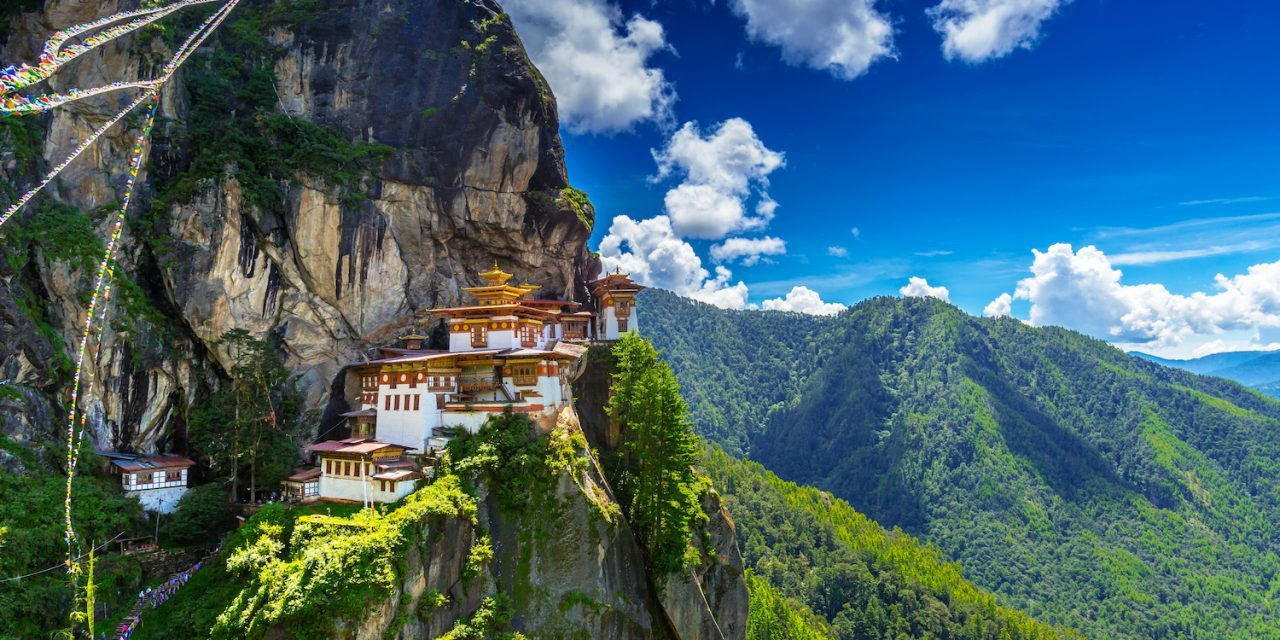
For Indian visitors, a visit to Bhutan entails a number of specific costs, where the government’s Sustainable Development Fee (SDF) forms the core. The SDF is ₹1,200 per individual,...

Get to Bhutan in 2025 or 2026 from India with ease. This blog explains all available travel options, including flights, trains, cars, and buses, and offers helpful tips, important routes, and entry...

Pilgrims can choose to undertake the Kailash Mansarovar Yatra 2026 through two routes-the route that is managed by the Government of India, and packages provided by tour operators. The fo...
2026 Kailash Mansarovar Yatra guide for Indians: MEA registration dates, private tour routes via Nepal, updated fees, and essential travel tips for pilgrims.